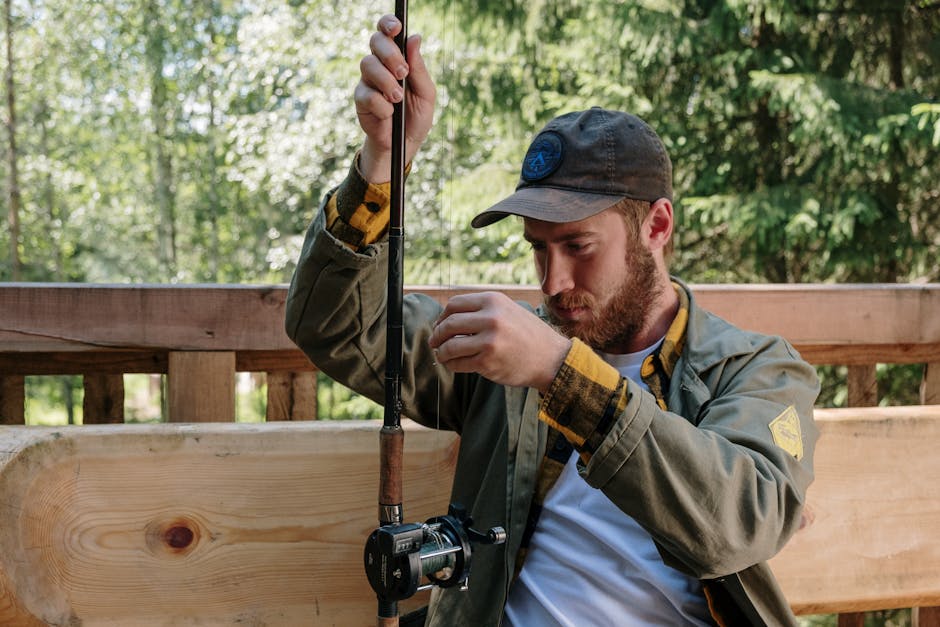
 Equipment Care
Maintaining Your Carp Fishing Equipment
Quality carp fishing equipment represents a significant investment, and proper maintenance ensures it performs reliably for years. Many anglers neglect basic care, leading to premature failure at critical moments. Developing good maintenance habits protects your investment and prevents frustration on the water.
Your rods and reels face harsh conditions: salt spray near some waters, mud, sand, and constant exposure to the elements. Regular cleaning and maintenance prevents corrosion and mechanical failure, keeping your equipment in peak condition.
Rod and reel maintenance routine:
- Rinse rods and reels with fresh water after every session, particularly if fishing near salt water
- Dry thoroughly with a soft cloth to prevent water spots and corrosion
- Clean reel spools and mechanisms with a soft brush to remove debris
- Apply light lubricant to reel bearings every few months (follow manufacturer recommendations)
- Inspect rod rings regularly for cracks or damage that could fray your line
- Check all rod connections and handle wrapping for damage or looseness
Line care is equally important. Your fishing line is your only connection to the fish, and damaged or degraded line causes lost fish. Store line away from direct sunlight, which degrades monofilament over time. Replace your main line annually if you fish regularly, and inspect your hook length before every session.
Tackle box organisation prevents equipment damage:
- Store hooks and small components in sealed compartments to prevent loss
- Keep boilies and loose baits separate to avoid contaminating other tackle
- Use rod holders or sleeves to prevent rod damage during transport
- Store reels in protective cases when not in use
- Keep your tackle box in a cool, dry place to prevent rust and degradation
Bivvies and shelters require regular attention too. Canvas and fabrics can develop mould if stored damp. Always allow your bivvy to dry completely before storing, and inspect it regularly for damage that could compromise weather protection during longer sessions.
Your landing net is essential safety equipment that often receives minimal care. Rinse the mesh after every session to remove algae and debris. Check the handle and frame for cracks, and replace worn mesh promptly. A failing net at the moment of landing a specimen fish is a disaster waiting to happen.
Taking time for basic maintenance might seem tedious, but it's far less frustrating than equipment failure during an important fishing session. Well-maintained gear performs better, lasts longer, and gives you confidence in its reliability when you're connected to a fighting carp.