 Beginner Guide
Setting Up Your First Carp Fishing Rig
Setting up your first carp fishing rig can feel intimidating, but understanding the basic principles makes the process straightforward. A well-constructed rig is essential for reliable bite indication and landing fish safely. Let's break down what you need to know to get started.
The fundamental purpose of a carp rig is to present your bait effectively while ensuring that when a carp takes it, the hook sets properly in its mouth. A good rig balances sensitivity with reliability, allowing you to detect bites while withstanding the powerful runs of fighting carp.
The basic components of a carp rig are:
- Main line connected to your reel
- A leader or boom that separates the hook length from the main line
- The hook length, typically 15-20 inches of monofilament or braid
- A hook of appropriate size and pattern
- Your chosen bait attached via hair rig or direct mounting
The hair rig is the modern standard in carp fishing. This rig style suspends the bait away from the hook on a separate piece of line, allowing the carp to suck the bait in without immediately feeling the hook. This often results in better hook holds and fewer lost fish.
For beginners, a simple running ledger setup works well. This involves a simple boom attached to your main line, with your hook length tied to the end of the boom. Add a lead weight appropriate to your casting distance and water depth, and you have a functional rig.
Hook size matters significantly. Larger hooks (size 2-4) suit bigger baits and larger carp, while smaller hooks (size 6-8) work better with smaller baits or smaller fish. The hook must be sharp and of good quality, as a poor hook will fail when you're connected to a fighting carp.
Essential rig setup tips:
- Always test your rig before fishing by applying pressure to ensure knots are secure
- Use quality line appropriate for the size of carp you're targeting
- Keep your rig simple initially and build complexity as your skills develop
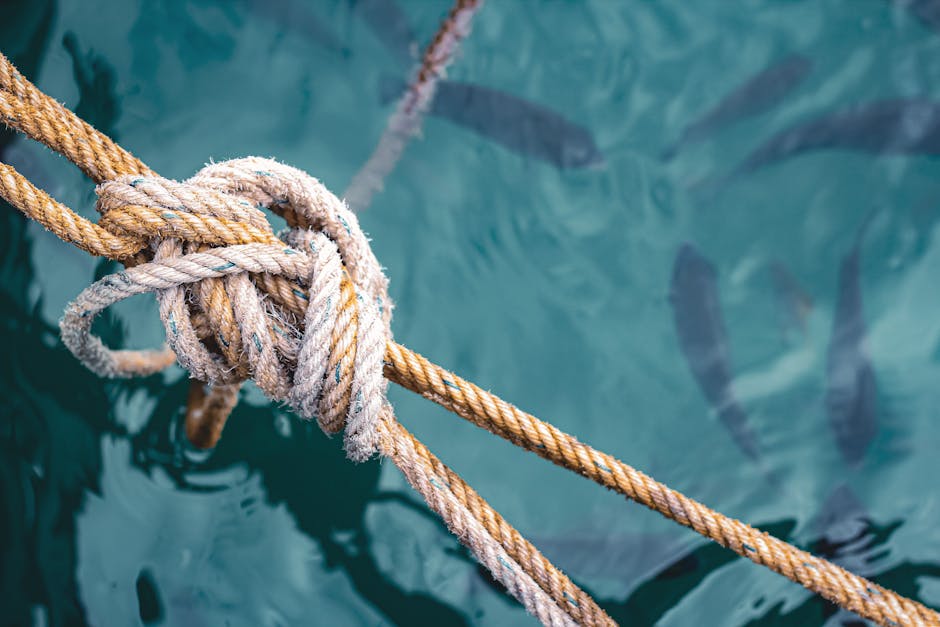
- Practice tying knots at home before heading to the water
- Check and replace your rig regularly during fishing sessions
Many carp fishing retailers sell pre-made rigs, which are perfectly acceptable for beginners. As you develop your skills, learning to tie your own rigs gives you greater flexibility and understanding of how they work. Start simple, practice regularly, and your rig-tying confidence will grow quickly.